PASCHAL MYSTERY: CENTER OF THE CHRISTIAN LIFE
Discover the most essential teaching of the most authoritative teaching Council of our time
Download the free one-page Executive Summary here.
WHAT IS THE CENTER OF OUR CHRISTIAN LIFE?
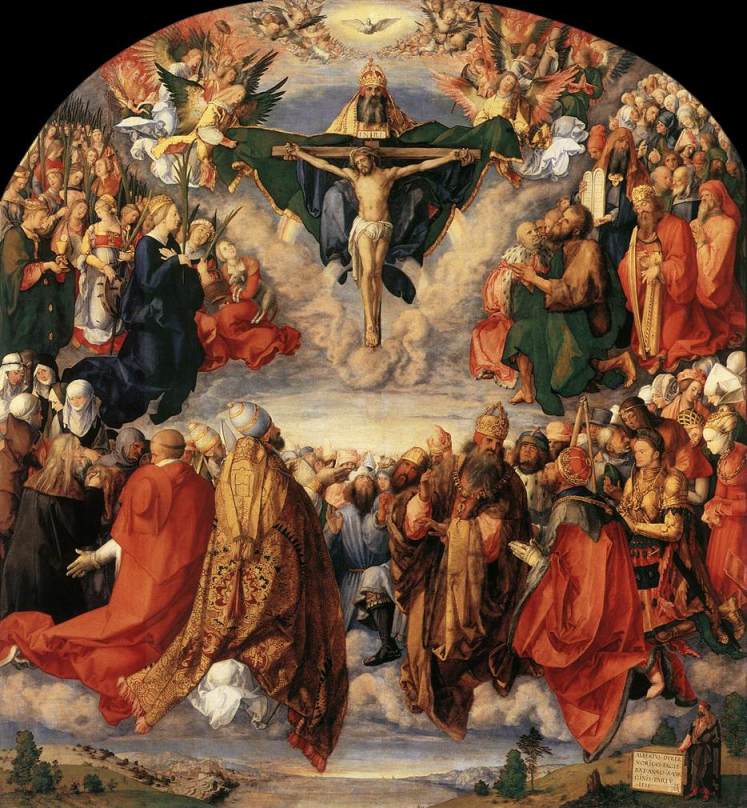 The Paschal Mystery, which comprises his passion, death, resurrection, and
glorification, stands at the center of the Christian faith because God’s
saving plan was accomplished once and for all by the redemptive death of his Son Jesus Christ. (Compendium
of the CCC 112)
The Paschal Mystery, which comprises his passion, death, resurrection, and
glorification, stands at the center of the Christian faith because God’s
saving plan was accomplished once and for all by the redemptive death of his Son Jesus Christ. (Compendium
of the CCC 112)
The Paschal Mystery is the center of the Christian
life and the Christian year. This is above all the essential idea of the
Second Vatican Council itself. (Benedict XVI, Feb 2013)
“God is love, and he who abides in love abides in
God, and God abides in him” (1 Jn 4:16) These words express the heart of the
Christian faith. Jesus’ death on the cross is love in its radical form. By contemplating his pierced side, we
understand that “God is love”, and discover the path along which our life and
love must move. (Benedict
XVI)
“Jesus loves
you: he gave his life to save you; and now he is living by your side every day
to enlighten, strengthen and free you.” Nothing
is more solid, profound, secure, meaningful and wisdom-filled than this first
and principal proclamation. All Christian formation consists of entering more deeply into this first
proclamation. (Francis)
WHAT’S THE
BENEFIT OF MAKING CHRIST’S PASCHAL MYSTERY THE CENTER OF OUR LIFE?
It grounds us. The past event in Calvary in 30 A.D. is not just
any center, but the “true center” around which all should revolve, especially
our minds and hearts. “God loves us” is the bedrock reality of everything that
exists. The air, the soil, events and trials are gifts of God the Amazing Lover—to
unite us with him. This ultimate event of love “transcends all time while being
made present in them all.” (CCC 1085)
It makes us fall in love with Jesus, filling us with
sweetness. Love
of God and others for him is the only goal of life, its bottom line. The
Paschal Mystery is the only source of this love, giving it to us in the
sacraments and in our contemplation of Jesus’ boundless love. Centering on Jesus’
love and sacrifice gives us a sense of joy and sweetness to which many saints
have testified. “The death and passion of Our Lord is the sweetest and most
compelling motive that can enliven our hearts.” (St. Francis of Sales)
“The greatest pains are made sweet when one looks at Jesus on the cross.” (St.
Mary Magdalen of Pazzi)
 It makes us a much better person. Centered
on the Paschal event, we learn key habits for daily living: self-sacrificing service,
humility, self-mastery, forgiveness, detachment from things, obedience, hope, etc.
It makes us a much better person. Centered
on the Paschal event, we learn key habits for daily living: self-sacrificing service,
humility, self-mastery, forgiveness, detachment from things, obedience, hope, etc.
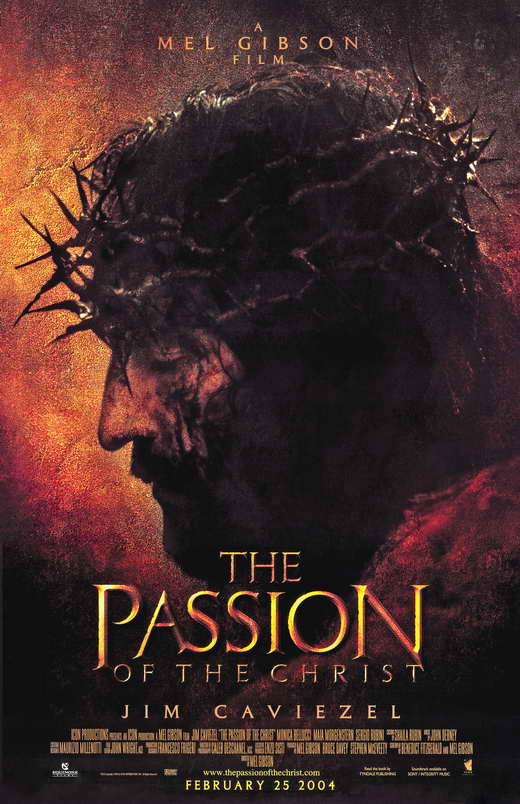
It is the secret to a deep and constant conversion. It is well-documented that the film The Passion of the Christ brought about
a multitude of conversions. “The human heart is converted by looking upon him whom
our sins have pierced.” (CCC 1432) “The most holy
Passion of Jesus Christ is the most efficacious means to convert hardened sinners.” (St.
Paul of the Cross)
It is the most powerful cure for
lust and all the evils of mankind. The most common evil of our time that leads people
to hell “more than any other sin” (Our Lady of Fatima) will be resolved if people are centered on the
passion of Christ. “If the heat of lust rises in me, it is extinguished by
recalling the wounds of Christ. I have not found a more effective remedy.” (Abbot
John of Fécamp) “All the
remedies that humanity needs are found in the life and Passion of Our Lord
Jesus Christ.” (Servant
of God Luisa Piccarreta) “By his wounds,
we are healed.” (Is 53:5; 1 Pt 2:24)
It is the shortcut. St.
Josemaria’s habit of entering the wounds of Christ “led him to the highest
peaks of spiritual life.” (Bl. Alvaro)
It identifies us with Christ. His whole life was centered on this saving event
and anticipated its power. (Cf. CCC 1115; Lk 24:26)
HOW DO WE
CENTER OUR LIFE ON THE PASCHAL MYSTERY?
See God’s love in everything and allow God to
embrace you. The key to “the most important
subject in life” –love—is not our loving, but “allowing ourselves to be loved
by God”. (Cf.
Pope Francis)
Treat the Paschal event as your greatest and most
remembered book. “Know nothing except Jesus and
him crucified.” (1
Cor 11:2) Learn the
Bible lesson of the Paschal event intently. “He who wants to keep on advancing
in virtue and in grace should meditate continually on the Passion of Jesus,” (St.
Bonaventure) to console and thank him, and to say
sorry to him for the wounds we caused.
Be lovingly centered on images of Christ’s saving passion.
“As a Christian, you should always carry your Crucifix with you. And place it
on your desk. And kiss it before going to bed and when you wake up: and when
your poor body rebels against your soul, kiss it again... When you see a cross,
think of the Blood of Christ poured out for you, and don’t deny him what he is
asking you for.” (St.
Josemaria) Put in your phone images and videos that portray
the historic saving event and use them to pray. Give importance to the
God-given, factual image of the Crucified God: the Shroud.
 Put your sins to death. “Christ
rises in us, if we become sharers in his cross and death.” (St.
Josemaria) “Pascha
means the crossing-over. The Son of God crossed over from this world to His
Father. What’s to gain in celebrating unless you cross over from the darkness
of evildoing to the light of virtue?” (St. Ambrose)
Put your sins to death. “Christ
rises in us, if we become sharers in his cross and death.” (St.
Josemaria) “Pascha
means the crossing-over. The Son of God crossed over from this world to His
Father. What’s to gain in celebrating unless you cross over from the darkness
of evildoing to the light of virtue?” (St. Ambrose)
Act with the highest dignity, confidence and joy. For
“believers already truly participate in the heavenly life of the risen Christ”—Son
of God, the King of the universe! (CCC 1003)
Love and serve others as “Jesus in disguise” (Mother
Teresa). Their needs and
sufferings are “the wounds of Christ”. (Francis)
Set the Eucharist and Confession as the most
important priority of your life. In them the risen Christ makes his Paschal
Mystery truly present, and with the greatest power unites us to himself and
his saving, glorious work. Christ in the
Eucharist as Self-giving Love is the “center and the source of the Christian
life.” (LG 11)

Download the free one-page Executive Summary here. For the New Evangelization, please distribute generously, or sell with or without profit.


 Posts
Posts

